Blog 10 Extra Credit: 1980s AIDS Epidemic

My mom is a ER doctor, and she is old enough to have practiced during the HIV/AIDs epidemic of the 1980s. Since I was not alive at the time, it is impossible for me to understand what it was like, and I can only imagine how confusing and scary it would be to see this new disease suddenly causing large groups of people to die after a period of painful physical degeneration, with no understanding of why or how it was being spread. The effects of the epidemic were only compounded by the politics of the disease slowing research and treatment. My mom has talked about how not all medical staff were willing to see (be in close proximity with) AIDs patients, especially before they figured out how it spread. My mom also had a needlestick injury from a confirmed case, and she was treated with AZT for some time (Never again!, she says), which was a miserable experience all around. Although now we know that the risk of getting HIV through needle sticks in a hospital setting is relatively low, this was not known at the time.

HIV stands for Human Immunodeficiency Virus, and it is responsible for the disease AIDS, or Acquired Immunodeficiency Syndrome. HIV can be treated much better today — it is no longer a death sentence — but it is still a “lifetime commitment.” It is one STD that cannot be completely cured, or removed, through treatment. HIV attacks the body’s immune system, specifically helper T cells, and over time it compromises the immune system to the point where it cannot fight off infections. People who die from AIDS don’t die from the disease itself so much as an opportunistic infection that can’t be fought by the weakened immune system. Today, HIV can be controlled through a treatment called antiretroviral therapy, or ART. When taken correctly, it can reduce their viral load to the point where they never reach the end-stage disease we call AIDS, and people can live with HIV for decades. However, ART was not introduced until the mid-1990s, and before that, people could die within a few years of infection. HIV is spread primarily through unprotected sex, although it can also be spread through needle sharing, blood transfusions, and from mother to child. HIV is NOT spread through saliva, sweat, tears, food sharing, toilets, air, water, or casual contact (e.g. hugging or shaking hands).

HIV was first brought to the attention of the United States when there were cases of Pneumocystis carinii pneumonia (PCP) in young, healthy gay men in Los Angeles in 1981. There were also reports of gay men with Kaposi’s Sarcoma, a particularly aggressive cancer, in New York. Both diseases are associated with immunocompromised people, but these men had all been previously healthy. As more cases came out, the disease was first dubbed “gay-related immune deficiency” (GRID), although the name was later changed to AIDS in late 1982. France and the United States raced to find the cause of the disease, and France found the virus first, calling it Lymphadenopathy-Associated Virus (LAV) in 1983. In 1987, the first antiretroviral drug, zidovudine (AZT), was approved by the FDA as treatment for HIV. Although AZT worked, it had many side effects, and HIV inevitably developed resistance. It wasn’t until the mid-1990s that ART was developed, a much more effective long-term treatment for AIDS that is still used today. By 2000, over 14 million people had died from AIDS from the beginning of the epidemic.

Blog 10: Herceptin

According to Genentech’s website, Herceptin (Trastuzumab) is a monoclonal antibody drug approved for the treatment of “early-stage breast cancer that is Human Epidermal growth factor Receptor-positive (HER2+),” “HER2+ metastatic breast cancer,” and “HER2+ metastatic cancer of the stomach or gastroesophageal junction” (in certain cases). Monoclonal antibodies are “laboratory-produced molecules engineered to serve as substitute antibodies that can restore, enhance or mimic the immune system’s attack on cancer cells.” These man-made antibodies are designed to target antigens that only exist on, or are more numerous on, cancer cells relative to healthy cells. This allows the treatment to be more targeted against cancer cells, unlike many chemotherapy and radiation treatments that indiscriminately affect cancer and healthy cells. Antibodies are a natural part of the immune system, and when they attach to cancer cells, they can serve as flags to attract cells of the immune system or trigger cell destruction. However, cancer can spread too quickly or be otherwise resistant to our own natural immune systems. This is when we need treatments like monoclonal antibodies to help make up the difference.

Herceptin is a treatment option for those who have over-expression of Human Epidermal growth factor Receptor (HER2+). HER2 receptors are found on normal cells, and play a role in cell growth. Over-expression of HER2 receptors is found in about 20-30% of all breast cancers, and they are partially responsible for the increased growth and development of cancer cells. If HER2 is over-expressed (present in large amounts), the cancer cells may grow and spread faster. Under normal circumstances, the immune system would detect and attack cells with HER2 receptors, but if there are too many the immune system may not keep up. Herceptin is a man-made antibody that targets HER2 receptors and blocks them, stunting cancer growth and drawing the attention of white blood cells to induce cell death.

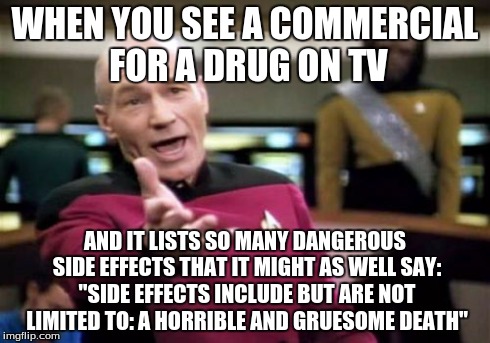
The website for Herceptin provides a laundry list of potential side effects, including:

  • Heart problems, including congestive heart failure and reduced heart function
  • Fever and chills
  • Feeling sick (nausea)
  • Throwing up (vomiting)
  • Pain (sometimes at tumor sites)
  • Headache
  • Dizziness
  • Shortness of breath
  • Death of an unborn baby
  • Birth defects
  • Severe shortness of breath
  • Fluid in or around the lungs
  • Weakening of the valve between the heart and the lungs
  • Not enough oxygen in the body
  • Swelling of the lungs
  • Scarring of the lungs
  • Low white and red blood cell counts
  • Diarrhea
  • Infections
  • Increased cough
  • Feeling tired
  • Rash
  • Muscle pain
  • Swelling of the mouth lining/mucous membranes/nose and throat
  • Weight loss
  • Low platelet counts
  • Change in taste

Most of these side effects are manageable, and the most serious side effects are seen in a lower percentage of women treated with Herceptin. Years ago, my grandmother was diagnosed with stage 2 breast cancer, and after her surgery to remove the tumors, she took Herceptin for a year through weekly IV infusions. She qualified because she had HER2 over-expression, and the drug worked very well for her. She remembers that at the time, it was still a “new” drug, but it was an appealing option because it was a pioneer drug for targeted treatment. This usually means that there are less side effects than for more traditional cancer treatments. For the most part, her only side effects were flu-like symptoms. People who are high risk for more serious side effects such as heart problems (already have underlying heart conditions) are monitored carefully and checked regularly.

Herceptin can make the patient more susceptible to infection because it can lower their white blood cell count, and your white blood cells are a very important part of your immune system. Specifically, this review and meta-analysis found that patients treated with Trastuzumab were higher risk for infection and febrile neutropenia. Febrile neutropenia is the occurrence of fever during a period of lowered neutrophil count in the blood. Neutrophils are the most abundant type of white blood cell, and are a vital part of the innate immune system. This issue can be amplified when Herceptin is combined with another traditional chemotherapy, which more broadly affects cancerous and healthy cells.

In addition to slowing cancer growth by blocking HER2 receptors, anti-HER2 monoclonal antibodies also activate both the innate and acquired immune system. They induce granzyme release by Natural Killer (NK) cells, which increases induced cell death in the cancer cells. The Trastuzumab-HER2 complexes that are made are internalized by the cancer cells, which allows for degradation and presentation of HER2 fragments in MHC class I molecules. This signals to cytotoxic T cells that the cell needs to be killed, so the T cells induce apoptosis in these cells.

Blog 9 Extra Credit: Malaria

I was first introduced to malaria through the “Little House” books by Laura Ingalls Wilder (loved these as a kid!). In Little House on the Prairie, the entire Ingalls family lives near a mosquito-infested creek, and comes down with what they call “fever ‘n’ ague.” They experience chills, fever, and aches all over, and they all nearly die from the disease. If not for their dog Jack, the kind Dr. Tan, and their neighbor Mrs. Scott, they probably would have. At the time, they did not know that mosquitoes transmitted the disease. Mrs. Scott and Ma Ingalls believe that the sickness was caused by the watermelons grown by the creek bottoms, because everyone who had eaten the watermelons had gotten sick. Pa Ingalls believes it was from “breathing the night air” (“malaria” is derived from the Italian phrase “mala aria,” which literally means “bad air”). Turns out they were all wrong, but the protozoan culprit of malaria was not discovered until after the events of this book.

Little House on the Prairie (Little House, No 3): Wilder, Laura ...
https://www.amazon.com/Little-House-Prairie-No/dp/0064400026#customerReviews

Malaria in humans is caused by five parasitic species of the genus Plasmodium. Two species cause the vast majority of disease — P. falciparum and P. vivax. These protozoa are spread through infected female Anopheles mosquitos, which transmit the parasites when they bite people for blood meals. Symptoms of malaria include fever, chills, sweats, headaches, nausea, vomiting, body aches, and malaise, which may not be immediately recognizable as malaria in a country where malaria is not common. Malaria can progress in severity and result in life-threatening conditions such as abnormal blood clotting, severe anemia, cerebral malaria, acute respiratory distress, and organ failure.

Currently, the majority of malaria cases occur in sub-Saharan Africa. In 2018, the WHO African region contained 93% of all malaria cases and 94% of all malaria deaths. There were 228 million cases worldwide in 2018, and which caused 405,000 deaths. Tragically, 67% (272,000) of these deaths occurred in children under 5.

Malaria is not talked about very much in the United States. I only remember it being brought up in biology classes to help demonstrate the concept of heterozygote advantage in sickle cell anemia. This is likely because malaria is no longer a significant issue in the United States and other developed countries, much like many other infectious diseases. Instead, we focus on issues like heart disease, cancer, obesity, and diabetes, which have become the biggest health problems in the country. As a result, many people forget how deadly it is and how much of a problem it remains in other parts of the world, where it may be a top 5 cause of death. Although we have greatly reduced the number of malaria cases over the past several decades, it has not yet been eradicated, and progress is slower than initially hoped by WHO back in 1955, at the beginning of their Global Malaria Eradication Program.

https://www.pri.org/stories/2009-05-18/who-reverses-policy-ddt-control-malaria

In researching this disease, the most interesting part was learning about the impact of malaria on U.S. history, because I never really associated malaria with the United States. Although malaria is not an endemic problem today, it was at one point, and had significant effects on American history. Species of Plasmodium were brought to the New World through European settlers and African slaves. Later, malaria affected hundreds of thousands of soldiers during the Civil War, and may have even influenced the outcome of the war. For example, the Union had access to the drug Quinine to treat malaria, but due to naval blockades against the South, the Confederacy did not. Malaria was also a huge obstacle to American soldiers in the Pacific Theater of WWII. The CDC (then called the Communicable Disease Center) was established in 1946, primarily to prevent the spread of malaria in the United States. If you have ever wondered why the CDC is headquartered in Atlanta, Georgia, it is because the South is where malaria had the biggest stronghold due to the climate. Malaria was eliminated as a major public health problem in the United States by the end of the 1940s, although we still have about 2,000 cases per year due to “imported” malaria.

malaria_4-2
https://armyhistory.org/the-other-foe-the-u-s-armys-fight-against-malaria-in-the-pacific-theater-1942-45/

Blog 9: COVID-19 Testing

At this point, everyone knows that testing is available to determine if someone is currently infected with SARS-CoV-2, the coronavirus responsible for the COVID-19 pandemic. These tests involve taking a sample of “nasopharyngeal secretions” (i.e. usually sticking a swab in the nose to take a sample from the back of the throat), then adding reagents to the sample to prep and isolate the RNA present. Scientists then perform RT-PCR (reverse transcription polymerase chain reaction) to determine the presence of known viral RNA sequences. PCR is essentially a way to amplify the genetic material present in a given sample, which allows us to detect viral RNA in very small samples. Because coronaviruses are RNA viruses, there must be an additional step of reverse transcribing the RNA into cDNA (complementary DNA), due to the limitations of PCR. RNA is far less stable in the high temperature conditions required for PCR (and just in general), and the enzyme used (Taq polymerase) is a DNA polymerase that can’t replicate RNA. Hence, the addition of reverse transcriptase. Now, all of this science sounds good and dandy, but there are some drawbacks to this genetic testing.

Genetic testing is not 100% accurate. First off, even assuming that all reagents and equipment were effective, and all procedures were followed correctly, a sample could still produce a false negative. How? A negative result simply means that the (potential) viral RNA in the sample did not meet the limit of detection of the test. This could happen early on in the infection (the virus has not significantly replicated yet), or toward the end (the virus has almost been eliminated by the immune system), when the total viral count is lower. There could also be a plethora of problems throughout the testing procedure: the sample could be taken or stored incorrectly, the test kit reagents could be inconsistent, laboratory error, etc. We do not have enough confirmed data to be certain of the accuracy rate of these genetic tests, but apparently similar tests for the flu have only been 50-70% accurate in the past.

Additionally, because genetic testing has not been very widespread in the United States, and the vast majority of people have not been tested, we don’t have the best idea of how many people have actually been infected with the coronavirus. Ideally, this virus has been significantly more widespread than we realized, and we just didn’t know it because people didn’t have bad enough symptoms (or no symptoms at all) to warrant being tested with our limited resources. Also, we can’t use the genetic test to back-test people who have already recovered from the disease, because it only works on people who have an active infection (coronavirus currently in their bodies). This is where another type of test could come in handy: serology testing (or antibody testing).

Serology tests screen for the presence of antibodies, or immunoglobulins, to a particular pathogen. The presence of antibodies indicates exposure to the pathogen, because they are produced to neutralize pathogens and their virulence factors in a variety of ways. Two important classes of immunoglobulins are IgM and IgG. IgM is the first antibody class produced during the first exposure to the pathogen. IgG is the most common antibody present in blood and tissue fluids, but it kicks in a little later than IgM to a new threat. However, it also provides the longest-lasting protection due to its longer half-life. IgM levels will fall as IgG increases, and over time, only IgG antibodies will still be present.

antibody activated* : memes
https://www.reddit.com/r/memes/comments/aex2h3/antibody_activated/

The presence of IgM antibodies suggests a current or very recent infection, because IgM has a shorter half-life (and therefore does not last as long). The presence of IgG antibodies suggests either a long-term infection or a past infection. If someone only has IgM antibodies to a pathogen, then they have been recently infected, and even if they show no symptoms, they are likely infectious. If both IgM and IgG are detected, then that person is probably on the back end of their infection, or has already eliminated it. If someone only has IgG antibodies present, then they have probably recovered from the disease and are no longer infectious. IgG sticks around for a long time and is central to the secondary immune response — aka when you get infected again with the same pathogen — that prevents you from getting sick a second time. If we could test people for COVID-19 specific antibodies, and determine who has been infected and recovered already (IgG positive only), we could selectively send people back out into the workforce and help get the economy going earlier. It could also inform us of asymptomatic carriers (IgM or possibly IgM and IgG positive) who need to be isolated for a little longer, to reduce the spread of disease. Although the presence of antibodies does not necessarily mean that someone is immune, it is a better indicator than none at all, and is a good rule of thumb.

New serology testing is a good development, but we’re still not sure how accurate it is. The new tests coming out are not officially approved by the FDA, and have to put disclaimers on their products. This was done to help speed up the rollout of serological testing, much like skipping regulatory steps in the clinical testing of new treatments. Under normal circumstances, the regulatory process for new tests and treatments would delay public use by many months, if not years. This is not an option, even though there is increased risk with deregulating. The disclaimers essentially say that the tests are not FDA approved, should not be used as a sole indicator of COVID-19 immunity/infection, and may produce a false negative in response to antibodies for a very similar virus. With all of this uncertainty surrounding test accuracy, these new tests don’t seem very encouraging. What is the point of these tests if they are apparently so untrustworthy?

I think that some of these tests will be more on-target than some nay-sayers predict. Especially since there are so many, produced by different companies, there are bound to be some that are better than others, and we will determine which those are. Additionally, if it makes people feel better to know the government bureaucracy is involved, the CDC is also developing its own test to use soon. And ultimately, what are our options if we don’t use widespread testing to (1) better assess the case-fatality and symptomatic case rates, (2) improve our predictive models, and most importantly, (3) assess who is lowest risk for contagious infection (i.e. those who have been infected and recovered)? Either we keep everyone in lockdown, with no clear end (the public needs a game plan with an ultimate deadline to reopen the economy — and we can’t keep adding trillions to our debt to keep the financial demons at bay forever), or we let everyone loose without any decent idea of the unnoticed cases of COVID-19 (while maybe initially keeping the “high risk” under containment). Or some combination thereof. Even if the serology testing is only 50% accurate, that’s 50% more accurate than letting everyone loose without testing. And in combination with molecular testing, we could be even more precise. It will be interesting to see how these tests are incorporated into public policy decisions soon.

Blog 8: T cell therapy

T cell therapy is a new and experimental therapy used to treat cancer. It falls under the category of “immunotherapy,” which is a type of a cancer treatment that “helps your immune system fight cancer.” When the immune system normally functions, it is responsible for detecting “non-self” organisms/cells and destroying them. These “non-self” cells can be foreign pathogens, but they can also be damaged or mutated host cells (i.e. cancer cells). Even though the immune system can slow, or even stop cancer growth, we all know there must be ways for cancer cells to avoid the immune system because people die from cancer every day. This can include genetic changes that make them “less visible” to the immune system, having proteins on the cell surface that “turn off” immune cells, and changing neighboring cells to interfere with the effectiveness of immune cells. Immunotherapy helps our immune systems combat sneaky cancer cells by making them more efficient.

Chimeric antigen receptor (CAR) T-cell therapy is a new therapy that first gained FDA approval in 2017. It is when T-cells are removed from the body, made “new and improved,” and then returned to the body. They are modified to produce “chimeric antigen receptors” (CARs), which are then added to the cell membrane. When the CAR T cells are reintroduced to the body, the CARs help them better identify and target cancer cells. CAR T-cell therapy has been approved by the FDA for “aggressive, relapsed and/or refractory diffuse large B cell lymphoma (DLBCL), primary mediastinal B-cell lymphoma, and transformed follicular lymphoma (drug names Yescarta and Kymriah),” and “patients age 25 and under with relapsed or refractory B-cell acute lymphoblastic leukemia (drug name Kymriah).” Although this therapy can be very effective, it can also involve significant side effects, such as cytokine release syndrome (CRS). CAR T cells can cause a massive release of cytokines as a part of the immune response, which may cause symptoms such as low blood pressure, high fever, and difficulty breathing. It can also cause brain and nervous system issues. Patients may be confused, or have difficulty understanding language or speaking. Patients may go into anaphylaxis (life-threatening allergic reaction) or get B-cell aplasia (low B cell count). Due to these high-risk side effects, patients are watched carefully during treatment to help prevent life-threatening or long-term effects.

https://www.lls.org/treatment/types-of-treatment/immunotherapy/chimeric-antigen-receptor-car-t-cell-therapy

CAR T-cell therapy has its benefits: it is a one-time treatment, and can last beyond the initial infusion due to the ability of white blood cells to multiply and keep a “memory” of the cancer cells they target. This means that treatment is shorter when compared to traditional chemotherapy and radiation options, and that it may be able to prevent recurrence in cases where other treatments will not. It has also expanded the options for people who have already been through unsuccessful traditional treatments (this treatment is currently specifically approved for those who have already attempted other standard therapies). Previously, there wasn’t a “standard of care” for people who had unsuccessfully tried two lines of treatment. However, this treatment is still extremely expensive — from hundreds of thousands of dollars, to over a million when including all additional hospital-related costs.

Clinical trials have given promising results in the early outcomes of CAR T-cell therapy patients with blood cancers, and newer clinical trials are attempting to apply this same therapy to other blood cancers and solid tumors. There isn’t much long-term data for remission rates, etc for obvious reasons, but it is a promising treatment for those who have limited options and previously unsuccessful treatments. This is a new way of thinking about cancer treatments, and new approaches are welcome in the field of cancer research, which seeks to simultaneously increase length and quality of life during and after treatment. Traditional, or standard, cancer treatments have accomplished incredible things, and extended millions of lives over the past several decades, but sometimes they are not effective. New treatments can increase our chances of putting different cancers into remission, and give hope to those who are suffering through unsuccessful therapies. As they say, “there is more than one way to skin a cat,” and sometimes a different approach is needed.

car-t cells
https://blog.seracare.com/ngs/aacr-2019-day-one-highlights-next-generation-car-t-cells

Blog 7: I didn’t choose the COVID-19 life…

This one’s going be a little rambly. The COVID-19 pandemic has been a hot mess for everyone, from the medical professionals swamped with potential COVID-19 cases, to millions of people being laid off, to all the students and teachers making the transition to online learning. The stock market has plummeted, and the U.S. government just approved a 2 trillion dollar stimulus package in an attempt to help people make it through the shutdown. It’s nuts, and we’re mostly playing by ear with some educated guesstimating. There’s so much controversy over what we should do, what sources we can trust, how accurate our data is, etc. And in all honesty, we won’t get the full picture until this is all over. However, I don’t feel like getting into the weeds of the accuracy of our current data, or the political and economic side-effects of this epidemic, so I’ll just talk about what’s going on for me.

Img 2019
pittsburghmagazine.com/10-covid-19-memes-that-will-bring-a-smile-to-your-face/

So I’m an out-of-state college student, but I decided to remain here in Chapel Hill — for a multitude of reasons. I lived off campus this year and have a lease through the rest of the school year, which I don’t feel like wasting. I also have a job near campus where the business is one of the lucky (or unlucky?) few to remain open and necessitates working in person. All of my classes are online now and most have continued to teach through Zoom. My family’s place back home is in the boonies and has TERRIBLE internet that would not be able to support the streaming needed for these classes. Also, although I am not really worried about getting COVID-19, I’m probably higher risk for exposure back home because my mother is an emergency medicine physician, and her hospital is seeing a significant number of COVID-19 patients. At any rate, she doesn’t need one extra person bugging her at home since she’s got enough on her plate.

Img 2013
https://www.pittsburghmagazine.com/10-covid-19-memes-that-will-bring-a-smile-to-your-face/

It’s been a royal pain in the butt to make the switch to online classes, especially after missing a week of classes (which is what, like a month in high school time?). I’m sure that the professors are just as inconvenienced as many of the students. They’re the ones who have to rework their schedules and completely change their teaching/exam formats. The hardest part for me is probably motivating myself to stay on top of everything without the structure that in-person classes provide. I’m just lucky enough that I have the resources to finish out the semester, which some students don’t have. There have been inconveniences (e.g. I’ve had to go to UPS to print/fax application and class documents), but nothing that I can’t adjust to.

On the bright side, I have seen more families playing together outside, and people just getting out and walking around their neighborhoods. It’s nice to see people getting out of the house and enjoying the weather despite the stress we’re all under. In addition, when the pandemic winds down, this experience will be a great learning opportunity. We will get a much better consensus on the case-fatality rate of this disease, and a better idea of the prevalence of asymptomatic carriers, among other statistics. We can compare the effectiveness of different strategies applied by different countries, and maybe even challenge common practices in Western health care. I think we have a lot to learn from this experience, and we can make adjustments to prepare for the next (and inevitable) global infectious disease, which may be even more dangerous.

Img 2009
https://www.pittsburghmagazine.com/10-covid-19-memes-that-will-bring-a-smile-to-your-face/

Blog 6: STDs (Syphilis)

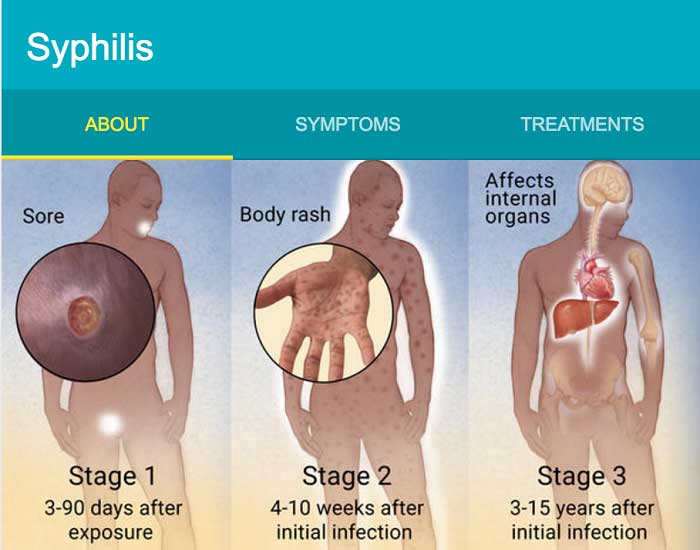
Syphilis is a sexually transmitted disease (STD) caused by the bacterium Treponema pallidum. It can cause serious symptoms, even death, if not treated. The symptoms of syphilis occur in three distinct (active) stages. The primary (first) stage is usually characterized by round, painless sores localized to the initial site of infection (genitals, anus, mouth) that last for about 3-6 weeks. The sores heal on their own, but if not treated, the disease moves into the secondary stage. This stage is characterized by a more widespread rash and/or mucous membrane lesions. The rash can occur in different locations on the body, although it classically appears on the palms of the hands and bottoms of the feet. It may be so faint it goes unnoticed, or it can look very similar to rashes from other diseases. There are other symptoms in addition to the rash: fever, swollen lymph glands, sore throat, patchy hair loss, headaches, weight loss, muscle aches, and fatigue. These symptoms also go away on their own, but without treatment, the disease can progress to the tertiary stage. After the secondary stage outbreak, syphilis will transition to the latent stage. This means that there are no visible signs or symptoms of the disease, but the person is still infected. In some cases, syphilis progresses to the tertiary stage, which can affect multiple organ systems and be potentially fatal (symptoms vary depending on organ system affected). Syphilis is known as “The Great Pretender” because its symptoms can be mistaken for several other diseases. Transmission occurs through direct contact with “syphilitic sores,” aka “chancres,” or from mother to unborn child (congenital syphilis).

Syphilis is treated with antibiotics, specifically Benzathine penicillin G, administered intramuscularly. There are alternative antibiotics for those who cannot take penicillin, such as doxycycline and tetracycline. Treatment with antibiotics will prevent progression of the disease, but may not be able to reverse damage caused prior to treatment. However, proper treatment will prevent the disease from recurring (from the intial infection — it does NOT prevent a second infection of syphilis). There are certain groups of people that the CDC recommends routinely testing for syphilis due to increased risk. Pregnant women, for example, should be screened due to the effects of congenital syphilis. In up to 40% of cases of (untreated) infected mothers, the infant dies. In cases where the baby survives to term, but remains untreated, the baby could develop seizures, become developmentally delayed, or die within a few weeks. Penicillin is extremely effective at preventing mother-to-child transmission. Other high-risk groups include men who have sex with men (MSM), who make up the majority of recent cases of syphilis. In 2018, there were over 35,000 reported cases of primary and secondary syphilis, and 64% of those were among MSM. This is likely due to the greater prevalence of high-risk sexual behaviors in this community: greater numbers of sexual partners, higher rates of condom-less sex, type of intercourse, etc.

Syphilis, among other STDs, is on the rise in the U.S. The CDC made a press release in October 2019 discussing the increase in syphilis cases, particularly with its effect on the newborn population. From 2017 to 2018, the number of primary and secondary syphilis cases increased 14% to more than 35,000 cases, “the highest number reported since 1991.” This corresponded with a 40% increase in cases of congenital syphilis (to more than 1300 cases). Granted, part of the reason for the large percentage increases is due to the relatively small number of cases (e.g. going from 1 to 2 cases per year would be a 100% increase, but going from 100 to 101 would only be a 1% increase), but it is still concerning that the number of cases is increasing for a disease that could be eliminated entirely.

There is interesting research on the reasons for this upward trend in syphilis cases. Suggested explanations include: increases in risky sexual behavior due to dating apps/online dating, perception of reduced risk of HIV due to advances in HIV/AIDS treatments (e.g. chronic condition rather than a death sentence, preventive medications such as pre-exposure prophylaxis), and increased drug use, which increases likelihood of risky sexual behaviors. There have also been decreases in funding for public health initiatives that educate and provide sexual health services to the community. This decreases the number of clinics and screening services available to at-risk populations. Also, considering that MSM are disproportionately affected by syphilis, it is important to note that anal intercourse also increases risk of transmission (relative to vaginal intercourse) due to the higher probability of abrasions and the highly vascularized nature of the rectum (increased chance of exposure of the bloodstream to the pathogen).

The only sure-fire way to avoid syphilis and other STDs is abstinence, but there are other precautions that people can take to prevent infection. Many people don’t realize that condoms are useful for more than just preventing pregnancy, and this is important to know in populations who don’t think that they need to use condoms, because they already avoid vaginal sex. When people in populations such as MSM (who do not need to worry about pregnancy) have unprotected sex, they are putting themselves at higher risk for contracting STDs such as syphilis. Condoms provide a physical barrier that prevents transmission of STDs through direct contact. [Side note: this is NOT 100% effective, especially if syphilis sores are present in areas not covered by the condom (duh)]. Another way to reduce transmission is to practice mutual monogamy. Obviously, the fewer sexual partners one has (and the fewer partners their partner has), the less likely they are to contract an STD. Syphilis is easily treatable, but also VERY preventable through safe sexual practices. Through the combination of treating current cases and preventing new ones, syphilis could be eliminated.

Blog 5: Antibiotic Resistance

The term “superbugs” usually refers to strains of bacteria (or fungi) that are resistant to many different antibiotics. These strains can be difficult or impossible to treat with the current medications available. Developing resistance is a natural occurrence that is only accelerated by the improper use of antimicrobial medications. When bacteria are treated with a drug that disrupts their normal biological processes, there will eventually be a few that have some beneficial mutation that prevents the drug from being effective. Those mutant bacteria will therefore survive the treatment and multiply, leading to a new population filled with antibiotic-resistant organisms.

The CDC’s 2019 Antibiotic Resistance Threats report estimated that “more than 2.8 million antibiotic-resistant infections occur in the U.S. each year, and more than 35,000 people die as a result.” The report also listed the most concerning antibiotic-resistant organisms of the year in three categories: urgent, serious, and concerning. Of the urgent organisms, the two that caused the most deaths were Clostridioides difficile (C. difficile) and Carbapenem-resistant Enterobacteriaceae (CRE). C. difficile is a bacteria that causes life-threatening diarrhea and colon inflammation, and occurs most frequently in people who have been on antibiotic treatment. This is because antibiotics also attack the good, protective bacteria of your microbiome, which leaves you more vulnerable to an infection by a resistant pathogen. C. difficile causes 223,900 infections per year, and 12,800 deaths per year in the United States. Enterobacteriaceae is an entire family of bacteria composed of Gram-negative bacteria that includes Escherichia coli, Salmonella, Shigella, and Klebsiella pneumoniae. Carbapenems are a class of antibiotics that share a similar foundational structure to penicillins, but have more dangerous side effects and and are usually reserved for the most severe infections. There is less widespread to resistance to carbapenems than penicillins, but when there are Carbapenem-resistant strains, they are very difficult to treat (they are often resistant to nearly all antibiotics, leaving only very toxic or less effective antibiotic alternatives). CRE caused an estimated 13,100 hospitalizations and 1,100 deaths in the U.S. in 2017.

Improper use of antibiotics is increasing the rate of developing resistance, and pharmaceutical companies are struggling to make new antibiotics at the rate necessary to keep up with the obsolescence of old antibiotics. Overuse of antibiotics in people and animals is a primary contributor to accelerated drug resistance. First, antibiotics are overprescribed to patients. Antibiotics are given to people with viral illnesses or those with resistant/unsusceptible pathogens, which does not help the patient and only increases the chances of causing resistance. Patients also frequently do not take antibiotics as prescribed. They do not take the drugs enough times per day, at the right times, or do not use the full course, and stop taking them once they “feel better.” They will often “save the rest for later” when they feel sick again, because they don’t want to pay for more antibiotics or they feel like their doctor was being “stingy” with them. All of these behaviors reduce the effectiveness of antibiotics and increase the chances of resistant bacteria surviving and repopulating.

The lack of understanding about antibiotics among the general population and even health care providers is very concerning. People often get sick with some minor illness, and then go to their doctors demanding to be “fixed.” Even if there is no effective treatment for the pathogen (like a cold virus), or treatment is not necessary, people expect to be given something to make them feel better. This is a very short-sighted perspective, and is a leading cause of an impending antibiotic crisis. Doctors frequently give antibiotics when they are not needed or useful, for a plethora of reasons. There is probably a combined effect of patient pressure (“I want to be cured, and I want it now!”), relative effort (easier to just prescribe something “harmless” than to deal with a whiny patient), risk emphasis (short-term risks of not treating outweigh the risks of antibiotic resistance), and defensive medicine (“I don’t want to be sued for malpractice!”). All of these decisions are simply a result of human nature, but it is important that we emphasize the risks of widespread antibiotic resistance and why we need to slow its progress. Health care professionals are well aware of antibiotic resistance, but they overprescribe anyway. This could be greatly reduced through increased medical education of the general public, who are the same patients that are pressuring health care professionals for antibiotics they don’t need, and still won’t use effectively.

Animal agriculture is also a large consumer of antibiotics, which have been used for multiple reasons: 1) treating infected animals, 2) controlling the spread of an infection, 3) preventing infection, and 4) increased animal growth. Most concern is related to the latter two uses of antibiotics. Widespread use of antibiotics in animals, just like in humans, also increases risk for the development of resistance. According to the CDC, as of 2017, “medically important drugs” (meaning they are relevant to human health) are no longer allowed for the use of growth promotion in the U.S. The FDA also requires “veterinary oversight” for the use of medically important medications in food animals. Antibiotic use is approved by the FDA for treatment, control, and prevention (although “prevention” is intended to target certain groups of animals that are “at risk,” such as weaning calves). Food labels such as “antibiotic free” do not have a standardized meaning approved by the USDA, and do not necessarily mean than an animal was raised without antibiotics. It means that there were not detectable amounts of antibiotics in the animal before it is killed. This can be accomplished by taking the animal off antibiotics in time to remove them from its system, instead of never giving the animal antibiotics in the first place.

If we lose the ability to use antibiotics, we can no longer defend against pathogens that we could previously easily fight with medicine. In a post-antibiotic world, people could die just as easily from infections as before antibiotics were discovered. In some cases, we will be forced to use more expensive and more difficult treatments for the same disease. In addition, losing antibiotics as an infection-fighting tool puts so many more people at risk when it comes to surgeries. People who get c-sections, organ transplants, and other invasive surgeries are often given antibiotics to reduce the likelihood of infection post-procedure. Doctors do their best to avoid contamination, but when the skin (our first line of defense) is broken, it greatly increases the risk for infection. Antibiotics are also important to people who are immunocompromised, and cannot fight off infections as well on their own. Without effective antibiotics, all people are vulnerable to the same pathogens as before, except now they are stronger than ever before due to new resistance.

Blog 4: Polio

Franklin Delano Roosevelt began his presidency during the Great Depression in 1933 and remained president throughout World War II until his death in 1945, serving over three terms. He is known for many things, including his “fireside chats,” establishment of Social Security, and vast expansion of the federal government. He is also known as the president who suffered from polio, much like JFK is known for Addison’s disease. FDR was first diagnosed with poliomyelitis in the 1920s, and was given limited treatments, but he never completely recovered and dealt with paralysis and health issues for the rest of his life.

Poliomyelitis is a life-threatening disease caused by the poliovirus. Poliovirus is transmitted person to person, and enters the body through the mouth. It then lives in the throat and intestines, and can be transmitted through feces. About three quarters of people who are infected do not show any symptoms, and those that do, have very flu-like symptoms such as fever, sore throat, nausea, and headaches. In most people with symptoms, the symptoms go away on their own without any additional side effects. In some people, the disease goes on to affect the nervous system, causing paralysis, meningitis (inflammation of the coverings of the spinal cord and brain), and paresthesia (“pins and needles”). If the paralysis is extensive enough, it could lead to death because it affects the muscles required for vital functions (read: breathing). As a side note, poliomyelitis, or “polio” for short, only refers to the paralytic disease, so not everyone infected with the poliovirus has “polio.”

There are two available vaccines effective against the poliovirus. One is the inactivated polio vaccine (IPV), developed in 1955. The IPV contains inactivated strains of poliovirus and is administered via an injection. Because it doesn’t contain any “live” virus, there is no risk for vaccine-associated paralytic polio (VAPP). It also contains strains from all three types of poliovirus, so it protects against all three. The disadvantage of the IPV is that it is more expensive than the other vaccine option, and requires health professionals to give the shots. The IPV also requires a series of vaccinations to be most effective, with shots given at 2 months, 4 months, 6-18 months, and 4-6 years old. This requires a somewhat stable health care system to ensure proper timing of vaccinations. The U.S. has only used the IPV since 2000.

Another polio vaccine was developed in 1961, called the oral polio vaccine (OPV). The OPV is given orally as drops, and was recommended in the U.S. from inception until 2000. The vaccine contains an attenuated virus, which means that it contains weakened, but “live,” viruses that have lowered virulence. These attenuated polioviruses are able to replicate in the digestive system but are much less likely to spread to the nervous system. It is significantly cheaper than the IPV, and can be administered by non-health care professionals because it doesn’t require shots. This is helpful for widespread vaccination campaigns in developing areas. The OPV induces antibodies in the gut, so it can also interrupt the transmission of the virus through the fecal-oral route. The IPV induces antibodies in the blood stream, and not the intestines, so it does not have that same ability. One significant downside to the OPV is that because it is a live virus, in very rare cases (about 1 in every 2.4 million recipients) it causes paralysis (VAPP).

Essentially, OPV is much more common in developing areas because it is (1) cheaper, (2) easier to administer, and (3) reduces person-to-person transmission in areas where the disease is not eliminated. It is no longer used in places like the U.S. because (1) polio has been eradicated in the country and person-to-person transmission is less of a concern, and (2) it removes the risk of VAPP to use only the IPV.

Due to the vaccine campaign against polio, it has been eradicated from over 120 countries, including the U.S, and remains endemic to only three (Afghanistan, Pakistan, and Nigeria). In 2018, there were only 33 cases of wild poliovirus (WPV), and 104 cases of circulating vaccine-derived poliovirus (cVDPV). This is considerably better than 30 years ago, when there were over 350,000 cases of polio worldwide in 1988, the year that the Global Polio Eradication Initiative was founded. However, there was an increase in WPV cases in 2019 to about 113 cases, and there were more outbreaks of cVDPV from the OPV. There is not necessarily enough data to call this a trend, but it is concerning. It is difficult to eliminate the disease from these last few areas, which may be politically unstable, isolated, nomadic, or resistant to vaccination. Anti-vaxxers in Western countries don’t help matters because the unvaccinated can still contract polio from tourists and immigrants who travel from countries where the disease has not been eliminated.

There are three types of WPV, cleverly named WPV 1, WPV 2, and WPV 3. WPV 2 and WPV 3 were eradicated in 2015 and 2019, respectively, so the only one left to eradicate is WPV 1. The current goal is to completely eradicate polio by 2023 (although this is one of many deadlines to eradicate polio). If and when polio is eliminated, it will likely be the second human disease to be removed from the global population, the first being smallpox.

Poliovirus is a fantastic example of the far-reaching benefits of a solid vaccination campaign. Millions of lives have been saved by the development and implementation of poliovirus vaccines. Again, poliovirus has a human-only reservoir, so vaccination of all people would eradicate the disease from the face of the earth. There would be no more polio-related paralysis or death. I’m sure that all who have fallen victim to poliovirus before the possibility of vaccination would appreciate that, FDR included. It would be amazing to be able to completely eliminate a harmful pathogen from the world, like we did with smallpox (although many governments still hold on to samples of the virus). It’s amazing in the same way that the human life expectancy has doubled in the past 200 years due to huge strides in medicine and public health. Through a deeper understanding of human immunity and viral processes, we have allowed people to “cheat death” in a way.

Blog 3: Microbiome

The human body carries tens of trillions of microorganisms every day, and that collection of microbes is referred to as the microbiome, or normal microbiota, which colonize the body but do not cause disease (usually). The microbiome is actually vital for the health and normal functioning of the human body. It includes a large variety of organisms, including eukaryotes, bacteria, archaea, and viruses. These microbes can help the body with a large range of processes, including vitamin production, digestion, immune system preparation, and defense against other foreign microbes.

In 2008, the NIH established the Human Microbiome Project (HMP), in order to comprehensively characterize the human microbiome and analyze its effects on human health and disease. This has involved a shift away from the traditional methods of microbiology, where individual microbes are isolated and studied in a laboratory environment. Traditional methods were limiting because there are many organisms that are dependent on a specific microenvironment that cannot be replicated in a lab. Newer methods include metagenomics, which is an analysis of all the microbial genomes taken in a sample from the environment. This is useful especially when used in comparison to known genomes from isolated strains, and can help establish the true complexity of microbial communities. Metagenomics has only recently been made possible by improvements in the efficiency and cost of genetic sequencing.

The first phase of the HMP, from 2007 to 2012, was intended to survey the microbial communities from the five major environments in the body (skin, mouth, nose, GI tract, urogenital tract). This was going to help determine if there is a “standard” microbial community that indicates a healthy or unhealthy host. Some studies found that people with certain GI, oral, or urogenital diseases had differences in “specific microorganisms and/or specific microbial metabolic pathways” from healthy controls. However, it was clear that a deeper understanding beyond microbial composition was generally needed to evaluate the relationship between microbial makeup and human health. The second phase of the program (2013-2016), aka the integrative HMP (iHMP), was designed to “create an integrated dataset of the biological properties of both the microbiome and host over time, in a series of disease cohorts, as a resource for the broader research community.” In other words, make a collective database of the properties of microbiomes and their hosts over time by observing groups of people who share some defining characteristic (such as pregnancy or IBS).

The gut microbiome makes up a large percentage of the total human microbial population, and plays a critical role in digestion. The metabolism of food by gut microbes often provides us with nutrients and metabolites that we cannot produce ourselves or could not make sufficient amounts of on our own. Microbial metabolism also often effects other parts of the body in ways not understood before, such as the “gut-brain” or “gut-heart” axes. The “gut-brain” association has been supported by many studies showing that gut microbiota can have an effect on the development of behavioral disorders or neurodegenerative disorders. For example, molecules produced/consumed by gut microbes can include, or affect the host production of, neurotransmitters like GABA, serotonin, or dopamine, which can all have an effect on neurological processes.

Studies have also found that the standard “Western” diet, which has a lower fiber content and fiber diversity, is associated with lower gut microbial diversity. In turn, low microbial diversity in the gut is associated with diseases like obesity, inflammatory bowel disease, cancer, and some autoimmune disorders. Cancer has been associated with specific bacteria, including Helicobacter pylori, Bacteroides fragilis, and Fusobacterium nucleatum. Some microbes like these can “produce DNA-damaging toxins and carcinogenic metabolites, induce cancer-promoting inflammation, make tumors more resistant…,” and all of these things make cancer more likely, or more deadly.

The evolution of how we view microbes in relation to our own health is interesting. At first, all microbes seem like a bad thing that we wouldn’t want colonizing our bodies, because they are “germs.” But now we know that a healthy microbiome is essential to the normal functioning of our bodies, and if the homeostasis of the microbiota is thrown off, we can be vulnerable to all kinds of diseases and disorders. The healthy microbes are part of what holds the pathogenic microbes at bay, and sometimes the “good” microbes can become pathogenic if the system is imbalanced. The human microbiome is far more complex than I ever imagined it would be. It seems that the more we learn about the little critters that live in our bodies, the more complicated it gets. We have been able to find “associations” between so many things, but we still have a lot of progress to make to use this information for treatments.